

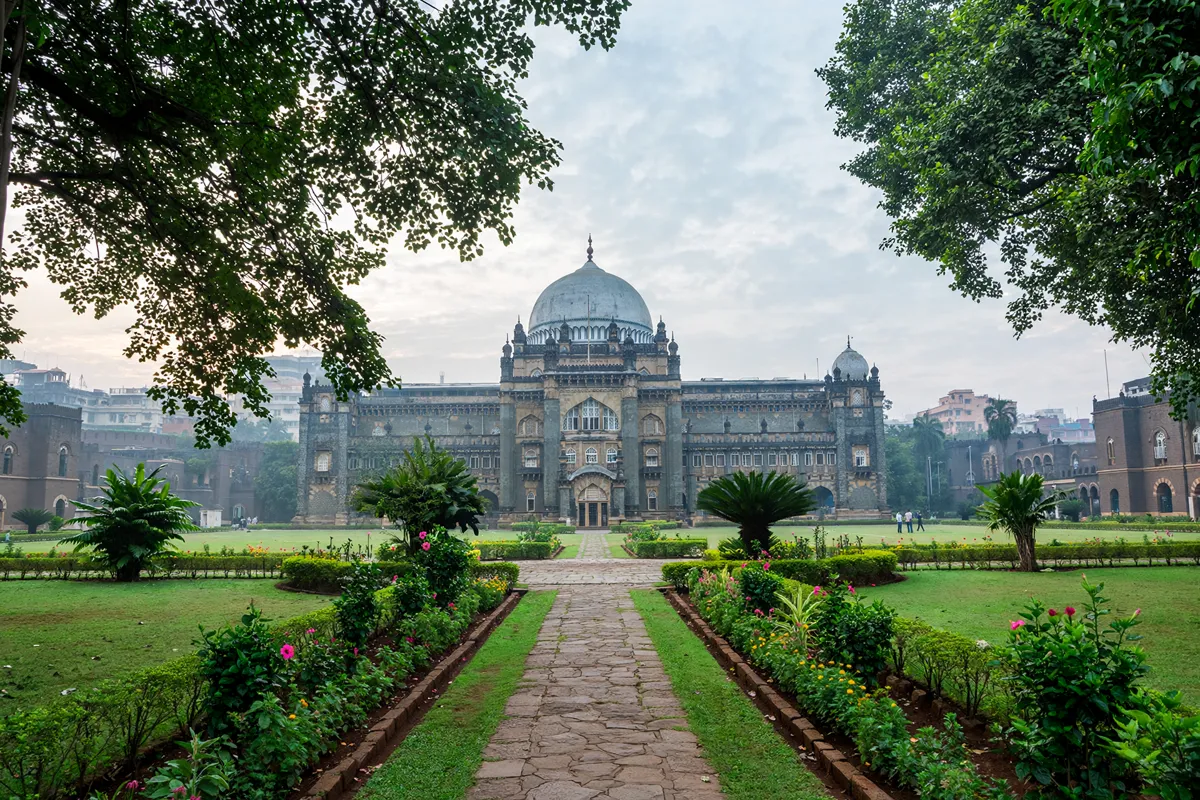
From South Mumbai, Chhatrapati Shivaji Maharaj Vastu Sangrahalaya offers a way to step into the art and history of the Fort district.
The museum is housed in an Indo-Saracenic heritage building, with collections spanning art, archaeology and natural history. You can plan time for the galleries, check the current visiting details and pair the visit with the nearby Gateway of India.
- Location: 159–161 Mahatma Gandhi Road, Fort, Mumbai 400023.
- Hotel: Hotel Supreme.
- Typical hours: Open daily
- Tickets: Admission categories and prices vary; check the museum’s official visitor information before your visit.
What to see at Chhatrapati Shivaji Maharaj Vastu Sangrahalaya
Chhatrapati Shivaji Maharaj Vastu Sangrahalaya holds approximately 70,000 artefacts across art, archaeology and natural history. Its collection includes sculpture, Indus Valley finds, Indian miniature paintings, decorative arts, European works, and Chinese and Japanese porcelain and ivories.
Rather than trying to cover every gallery, choose a few that match your interests. The galleries include Indian Sculptures, Jain Art and Buddhist Art, as well as Indian Miniature Painting, Jewellery, Money, Indian Textiles and Costume, and Arms and Armour. Chinese and Japanese Art, Himalayan Art, Mumbai and Natural History broaden the picture further.
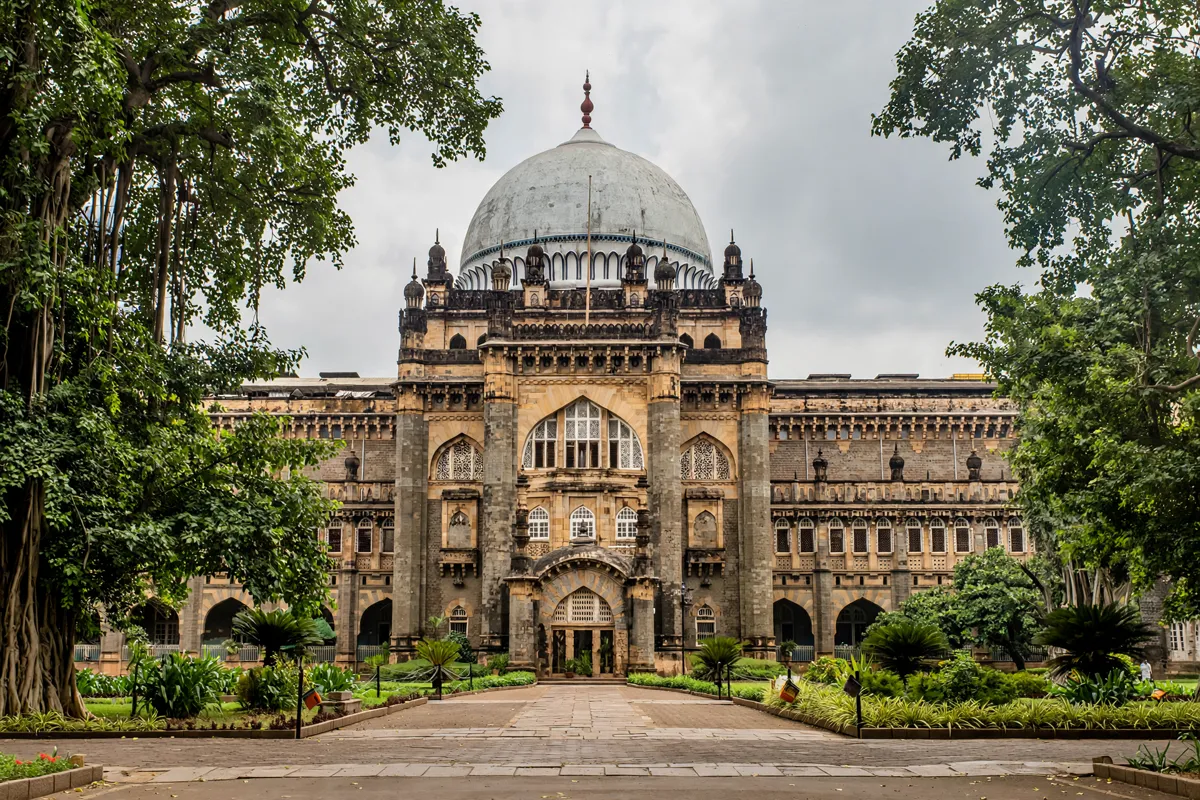
The building has its own history. The Prince of Wales laid its foundation stone on 11 November 1905; construction was completed in 1914, and the museum opened to the public on 10 January 1922. Architect George Wittet designed it in the Indo-Saracenic style. CSMVS describes the building as a Grade I Heritage Building.
Tickets, opening hours and visitor rules
The ticket counter closes at 5:45 pm. It closes to visitors on Republic Day, Maharashtra Day, Independence Day and Gandhi Jayanti. Hours, admission and visitor rules can change, so check the official site before you go.
Opening hours
- Monday to Sunday: 10:15–18:00
Last checked November 2026. Hours can change on holidays and for special events.
Domestic visitors can buy an audio guide for ₹100. A pass for a handheld camera without a tripod costs ₹500, and a video-camera pass costs ₹5,000. Mobile photography is free for personal, non-commercial use; tripods and selfie sticks are not allowed. Commercial photography and professional video shooting require prior permission.
Food and drink are not allowed in the galleries, and visitors must not touch artworks or display cases. Smoking and vaping are prohibited on the museum campus. Prohibited items include ammunition, sharp materials, inflammables, tobacco products and liquor.
Leave large bags, backpacks, laptop bags and luggage at the luggage counter near the entrance. The visitor-centre baggage counter also accepts items such as umbrellas and raincoats. Wheelchairs are available at the ticket counters and at the entrance near the Key Gallery. For groups with disabilities, the Education team organises special tours and workshops.
How do you get to the museum from Cuffe Parade?
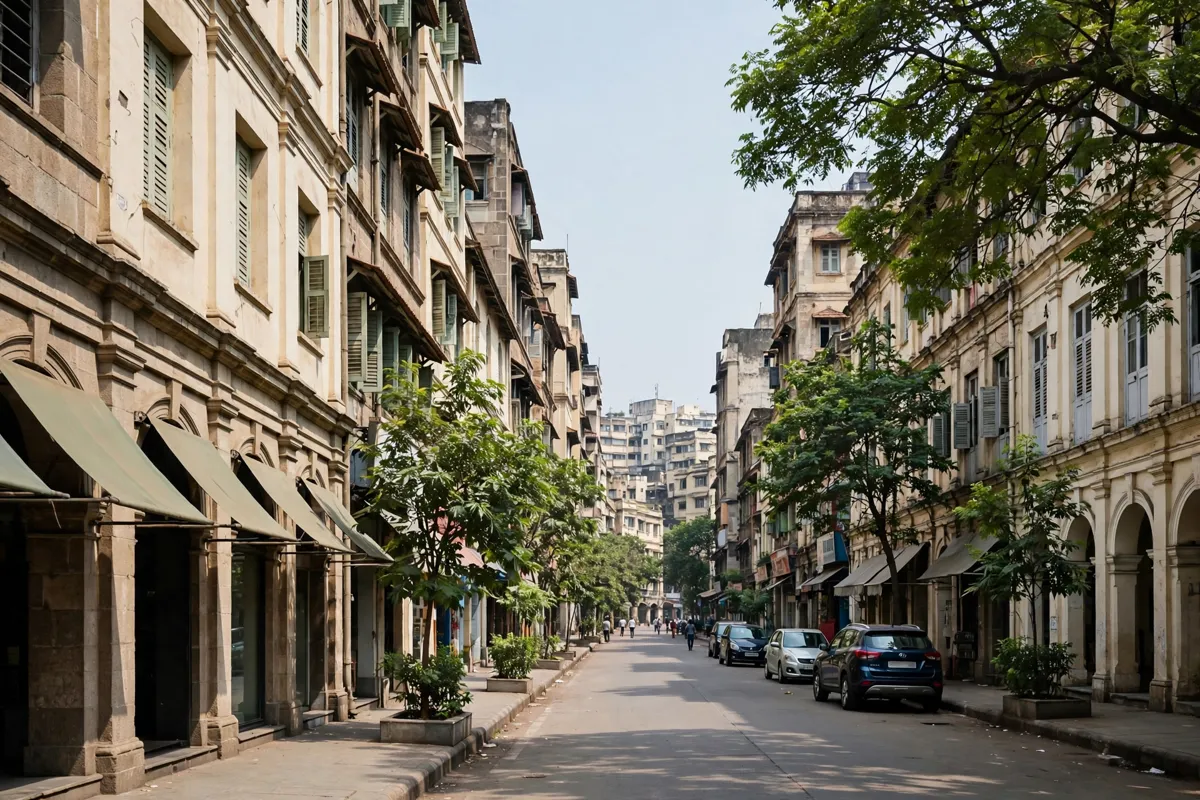
From Hotel Supreme, walk to the museum in about 25 minutes or drive there in about 11 minutes. It is in the Fort area at 159–161 Mahatma Gandhi Road; the nearby Gateway of India is an easy stop to pair with the visit.
An older museum visitor-information document gives bus routes from Chhatrapati Shivaji Terminus and Churchgate, but bus services and routes can change. Verify current options with the relevant transport operator before setting out.
Nearby galleries and waterfront stops
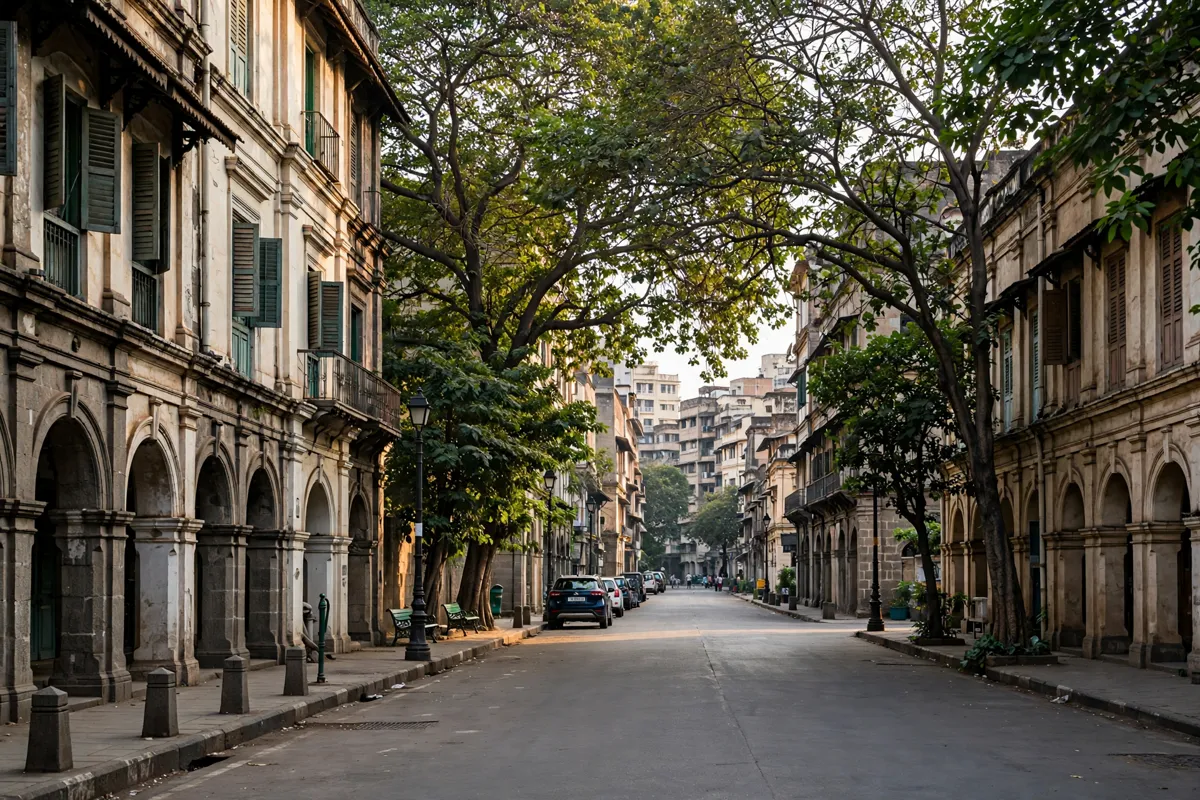
The Gateway of India is another notable stop in the area; the Mumbai City government describes the museum as near the landmark. Its domed exterior and Indo-Saracenic design make the museum itself part of the Fort area’s architectural story.
The National Gallery of Modern Art Mumbai is a nearby gallery for modern art.
Architect George Wittet designed the museum in the Indo-Saracenic style, and its collection spans art, archaeology and natural history.
Jehangir Art Gallery in Mumbai is another art stop in the area.
FAQs
What was the museum formerly called?
It was formerly known as the Prince of Wales Museum of Western India.
What is the museum’s architectural style?
Architect George Wittet designed the building in the Indo-Saracenic style. CSMVS describes it as a Grade I Heritage Building.
Can you take photos inside?
Mobile photography is free for personal, non-commercial use. Tripods and selfie sticks are not allowed, and commercial photography requires prior permission.
Are wheelchairs available?
Yes. Wheelchairs are available at the ticket counters and at the museum entrance near the Key Gallery.